
Multi-Axis Manufacturing
5-Axis CNC Machining for Complex Multi-Face Parts
Formexi evaluates 3+2 and simultaneous 5-axis machining for parts with angled features, compound contours or feature relationships that benefit from fewer setups. Final feasibility, machine source, work envelope and achievable tolerance are confirmed from the actual geometry before quotation.
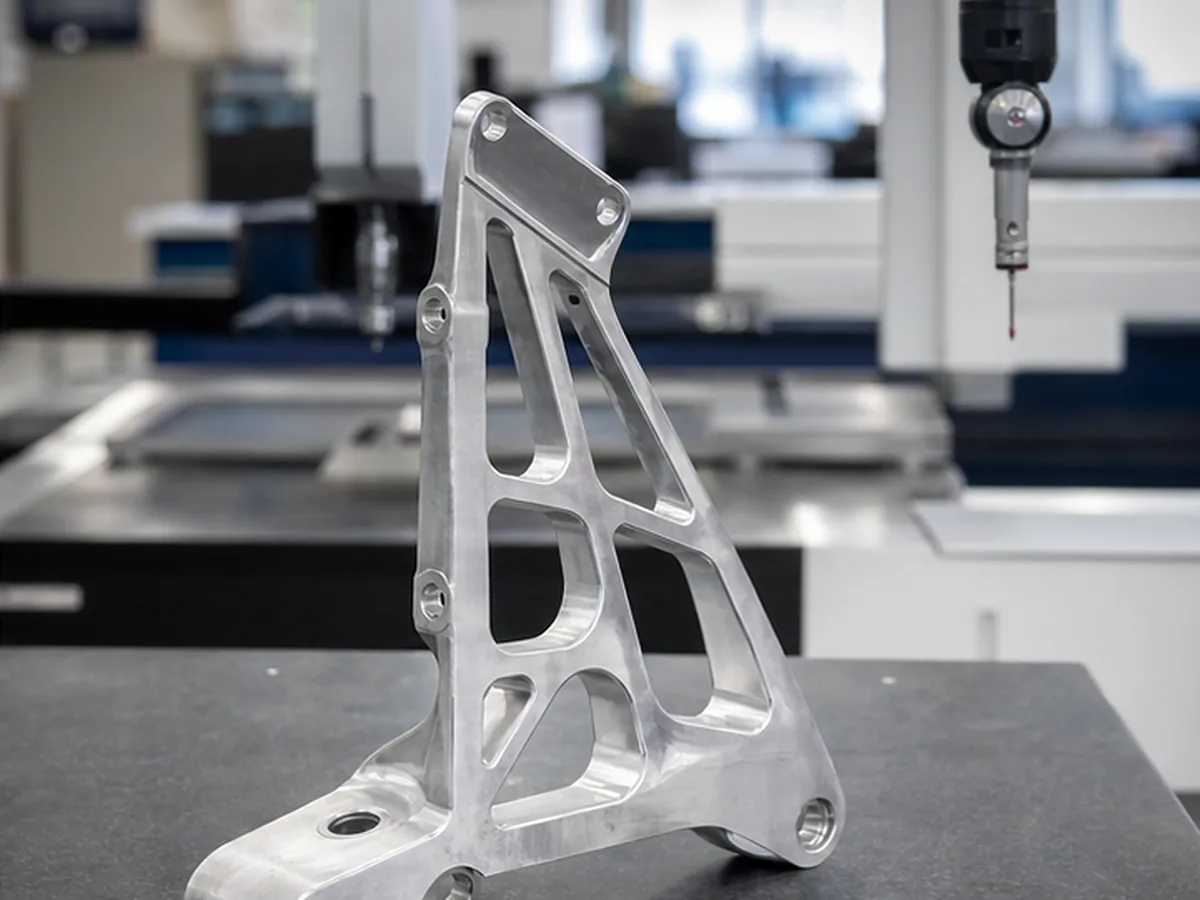
When 5-Axis Machining Is Useful
- Multiple angled faces or holes in different orientations
- Compound or continuously changing surfaces
- Feature relationships that are difficult to preserve through repeated clamping
- Shorter tools and improved access for selected deep or inclined features
- Complex parts where setup reduction offsets higher machine cost
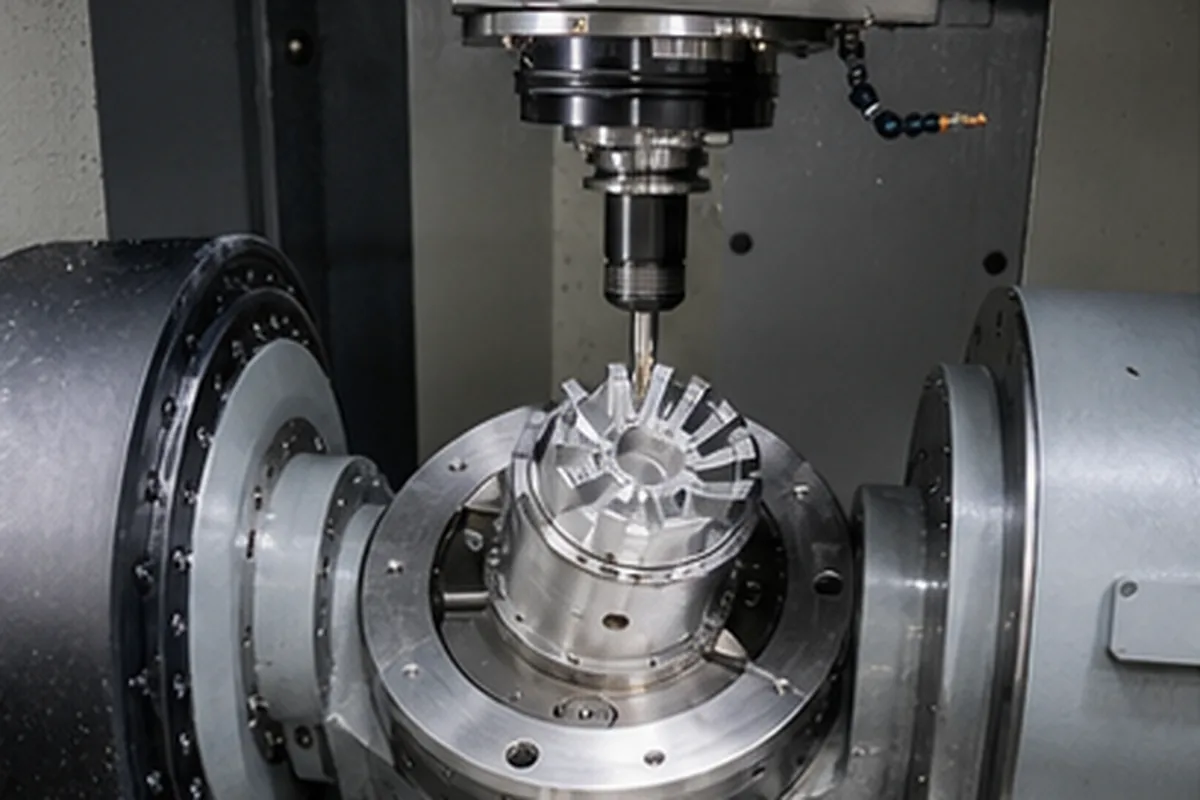
3+2 Versus Simultaneous 5-Axis
| Approach | Best suited to | Decision factor |
|---|---|---|
| 3+2 positioning | Multiple fixed-angle faces and holes | Machine positions the part, then cuts with rotary axes held |
| Simultaneous 5-axis | Compound contours and changing tool orientation | All axes coordinate during cutting |
Simultaneous motion should be selected only when the geometry or surface result requires it.
Engineering Risks We Review
Tool reach, collision clearance, workholding, machine kinematics, post-processing, datum strategy, surface blending and inspection access all affect the result. Thin walls and heavy stock removal may still distort even when the part is completed in one setup.
Tolerance and Surface Claims
Fewer setups may improve selected feature relationships, but axis count alone does not determine tolerance. Achievable dimensions and surface requirements are confirmed after reviewing part size, material, thermal stability, datum strategy and measurement access.
Capability Verification
Machine configuration, work envelope, process source and inspection approach are confirmed during quotation for the submitted geometry. Formexi does not publish a blanket 5-axis capability for parts that have not been reviewed.
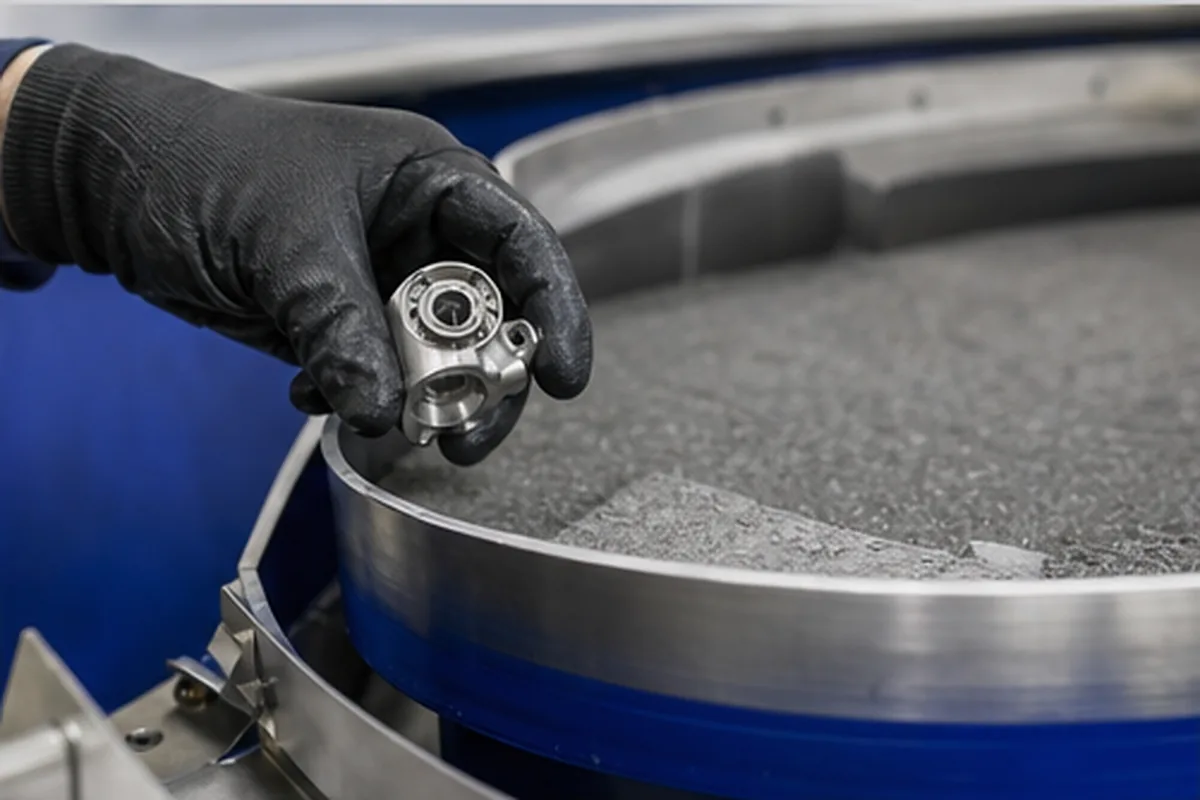
Information Needed for a 5-Axis Review
Submit matching 2D and 3D revisions with material condition, quantity, critical datums, tolerances, GD&T, angled features, thin walls, roughness and finish requirements.
We compare 3-axis, 3+2, simultaneous 5-axis and any justified secondary processes before confirming the route and measurement plan.
Does Your Part Actually Need Five Axes?
Send the model, drawing and functional dimensions. We will compare 3-axis, 3+2 and simultaneous strategies before recommending a process.