
CNC Milling
Custom CNC Milling Services for Precision Parts
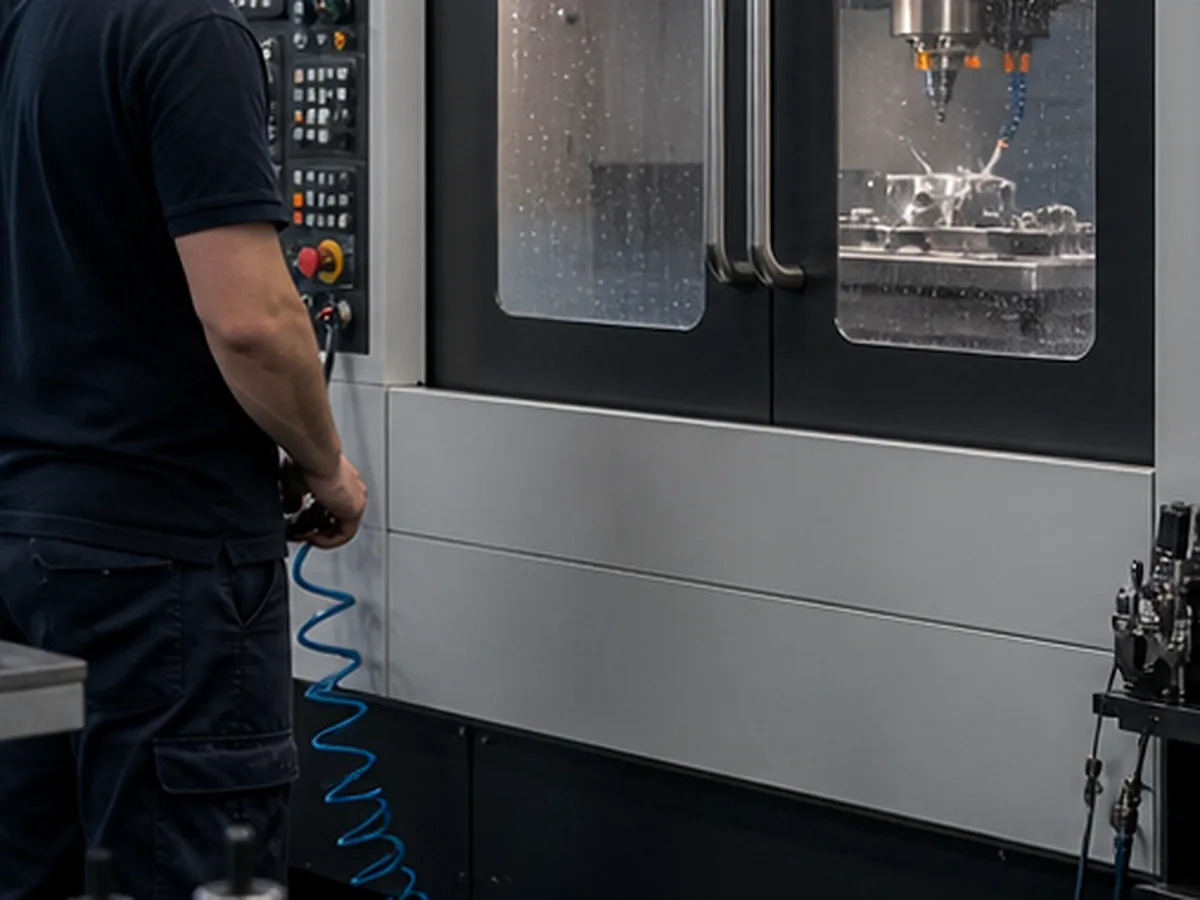
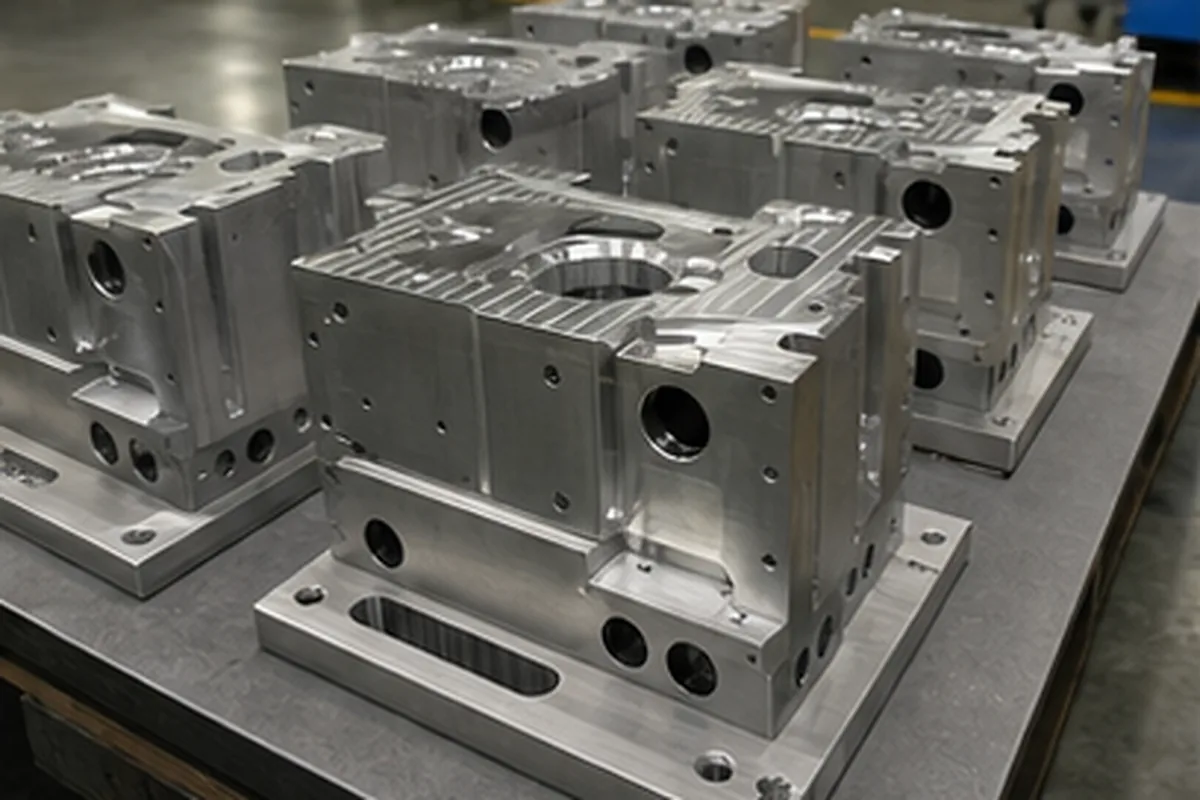
Formexi reviews housings, plates, brackets, manifolds and other prismatic parts for CNC milling. Feature access, datum relationships, workholding, material, tolerance and quantity determine whether a 3-axis, indexed multi-axis or 5-axis route is appropriate.
When CNC Milling Is the Right Process
Milling is generally suitable for prismatic parts with flat surfaces, pockets, slots, drilled or threaded holes and controlled relationships between multiple faces. Rotational parts may be more economical by turning, while highly angled or compound geometry may justify multi-axis machining.
| Part requirement | Likely approach |
|---|---|
| Features accessible from one orientation | 3-axis milling |
| Repeated features around a part | 4-axis/indexed review |
| Angled faces and fewer setup relationships | 3+2 or 5-axis review |
| Primarily rotational geometry | CNC turning or mill-turn review |
Parts Commonly Evaluated
- Machine and automation brackets
- Electronic and sensor housings
- Manifolds and valve bodies
- Mounting plates, jigs and fixtures
- Heat sinks and structural components
- Robotics and laboratory-equipment components
Publication of industry-specific claims requires real part evidence and applicable certification boundaries.
Materials
Frequently requested materials include 6061 and 7075 aluminum, 304 and 316L stainless steel, 1018/1045/4140 steel, brass, copper, POM, nylon and PEEK. Material grade, stock condition, wall thickness and finishing can materially change deformation, tool wear, surface finish and cost.
Design Factors Reviewed Before Milling
| Feature | Why it matters |
|---|---|
| Internal corners | End mills create a radius; smaller radii require smaller, less rigid tools. |
| Deep cavities | Long tool reach increases deflection, vibration and cycle time. |
| Thin walls | Material removal can release stress and cause movement. |
| Tolerance relationships | Features split across setups require a controlled datum strategy. |
| Finish allowance | Coatings can change holes, threads and mating dimensions. |
Inspection
Inspection may use calipers, micrometers, height gauges, gauges, optical equipment or CMM according to feature type and tolerance. The drawing should identify functional datums and critical dimensions rather than applying the tightest tolerance to every feature.
Capability Boundaries
Machine fit and process feasibility are confirmed from the actual part size and geometry. Deep features, thin walls, difficult materials and tight tolerances require part-specific engineering, workholding and measurement review.
Engineering Review Before Quotation
We review the 2D drawing and 3D model together with overall size, material condition, critical datums, tolerances, quantity, finish and inspection requirements.
Open technical questions are listed before quotation so the accepted process, scope, evidence, price and lead time can be compared on the same basis.
Get a Milling Process Recommendation
Upload the model, drawing, material, quantity and required delivery date. We will assess machine fit, setup count, tolerance and inspection together.