
Plating Selection
Electroless Nickel Plating vs Zinc Plating for Machined Parts
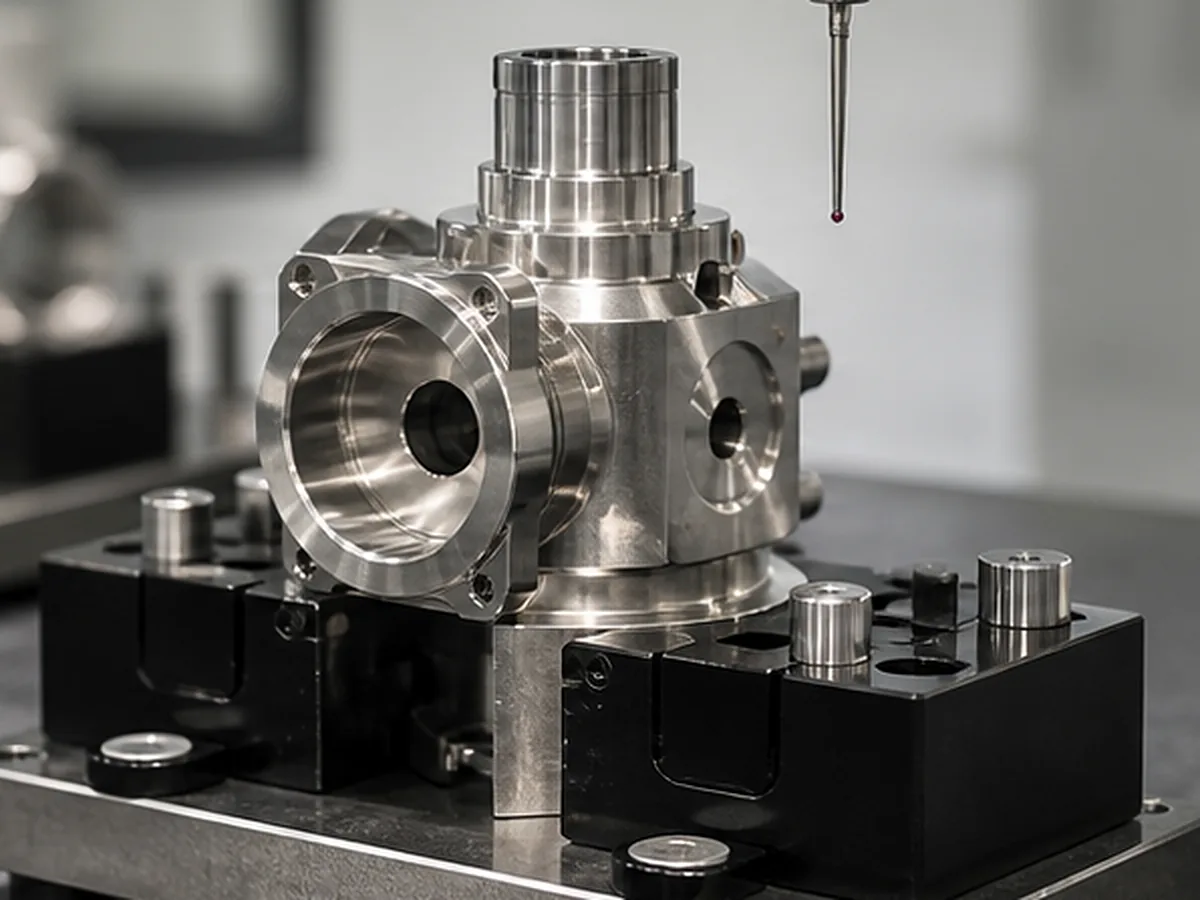
Choose electroless nickel when you need relatively uniform coverage on complex geometry, a harder functional surface or a controlled nickel-phosphorus system. Choose zinc plating mainly for economical sacrificial corrosion protection on suitable steel parts. Selection must consider substrate, environment, fit, hydrogen-embrittlement risk, post-treatment, appearance and governing specification.
Direct Comparison
| Factor | Electroless nickel | Zinc plating |
|---|---|---|
| Protection approach | Barrier/functional nickel coating | Sacrificial zinc protection for steel |
| Deposit distribution | Can provide comparatively uniform coverage | Distribution depends on electroplating geometry/process |
| Wear/hardness | Can support wear-oriented requirements with specified system | Usually selected primarily for corrosion economy |
| Appearance | Metallic nickel finish | Color depends on passivate/topcoat system |
| Dimensional planning | Critical fits need deposit allowance | Critical fits and threads need allowance/masking |
| Typical cost | Often higher process cost | Often more economical for suitable steel hardware |
Start With the Substrate and Environment
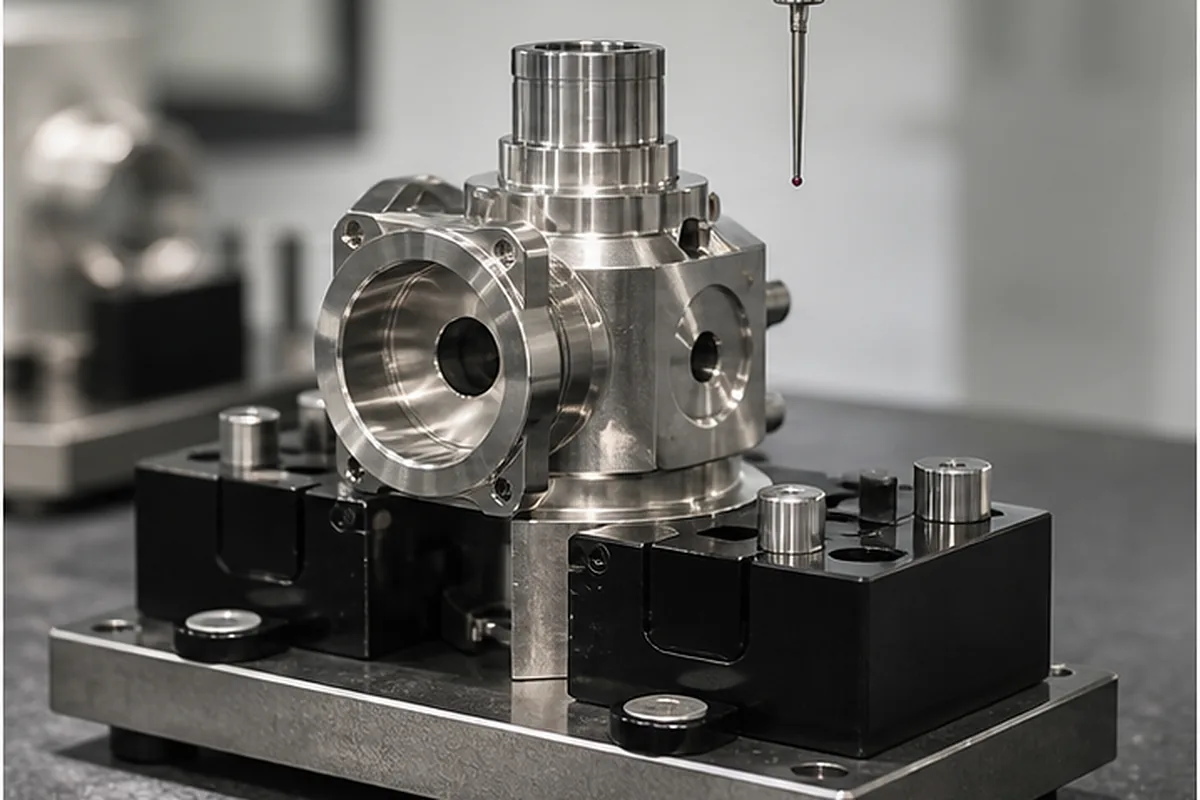
Identify steel grade or other substrate, hardness, outdoor/indoor exposure, chemicals, salt, temperature, wear and desired service interval. A generic salt-spray number does not predict every real environment. Use the governing product specification and application tests.
High-Strength Steel Needs Special Review
Cleaning and electroplating processes can create hydrogen-embrittlement risk in susceptible high-strength steels. Material strength, process controls, relief treatment and timing must follow the applicable specification. Do not substitute a finish or processor without engineering and quality approval.
Control Thickness and Fits
- Identify bearing seats, threads, bores and sealing areas.
- State coating thickness and measurement locations.
- Mark masked or coating-free zones.
- Define dimensions controlled after plating.
- Specify post-plate gauge and adhesion/corrosion tests.
- Plan rack/contact locations and cosmetic acceptance.
When Neither Is the Right Choice
Stainless passivation, conversion coating, paint, powder coat, anodizing or another engineered finish may better match the substrate and environment. Finish selection should begin before the drawing is frozen, especially when coating changes tolerance or fatigue risk.
What to Put in the RFQ
Provide substrate grade/condition, governing finish standard, coating class/type, thickness, post-treatment, masking, critical post-finish dimensions, tests, certificates, cosmetic zones and quantity. Availability and outsourced processor route must be confirmed per project.
From Electroless Nickel Plating vs Zinc Plating for Machined Parts Requirements to a Controlled Manufacturing Plan
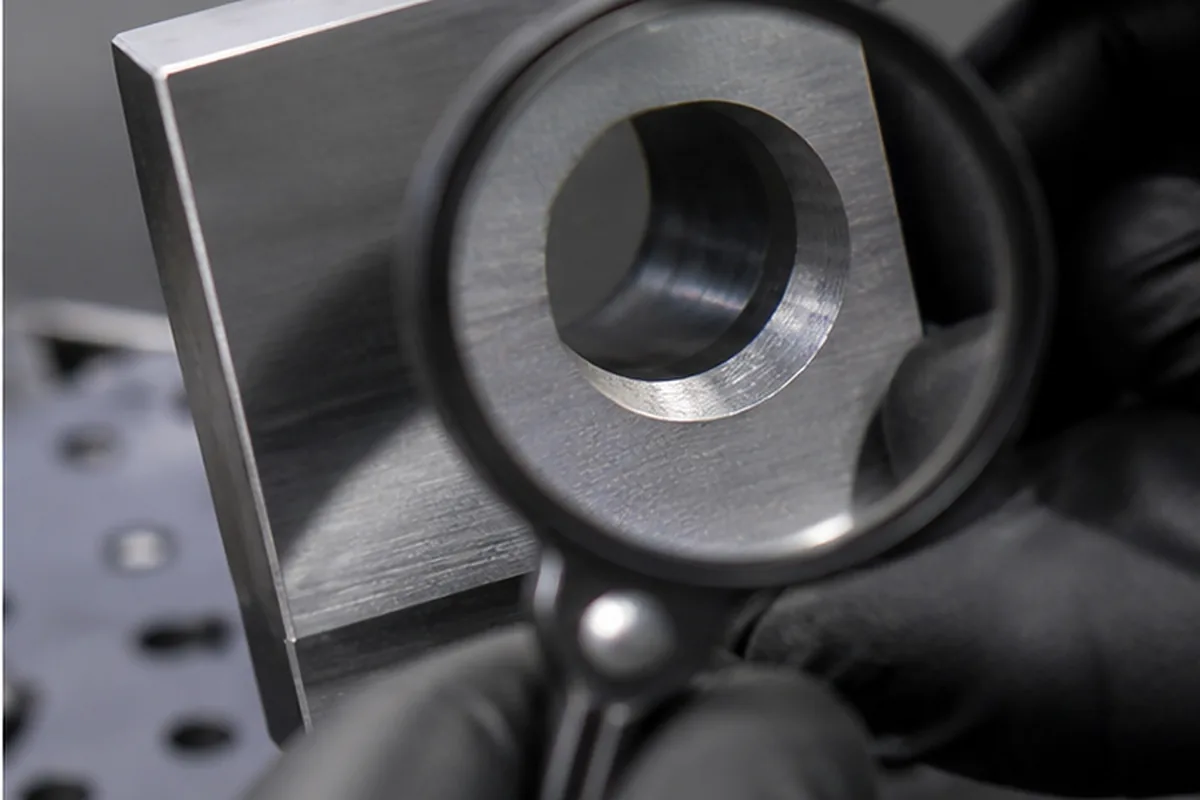
A useful supplier solution for Electroless Nickel Plating vs Zinc Plating for Machined Parts starts when a finish can change dimensions, hide burrs, create color variation or damage cosmetic and sealing surfaces. Because late finish decisions can turn acceptable machined parts into rejected final parts, our project review coordinates machining allowance, pretreatment, masking, rack-contact location, thread and fit protection, handling and post-process inspection as one route. That approach helps the buyer avoid paying for the wrong process and lowers the chance of discovering a critical issue after machining or finishing.
For the Electroless Nickel Plating vs Zinc Plating for Machined Parts buying decision, our review needs base material, process type/class, thickness, color or texture sample, masks, critical post-finish dimensions, tests and packaging. We record assumptions, approval points and evidence requirements before the quotation becomes the production baseline.